Sneezing, congestion and itchy eyes putting a damper on fall? We look at the natural products that may help support your seasonal allergy routine.
Long before modern medicine filled our cabinets, people turned to plants, herbs and other natural products to support their health and wellbeing, especially during allergy season. Well, that connection with nature is real and may just be the solution to your itchy and red eyes, sneezing and stuffed up head. Because we all know that ragweed pollen and outdoor molds are equal opportunists with all of us. And none of it looks or feels good.
So while we know that natural remedies aren’t a replacement for medical care, and “natural” doesn’t automatically mean better, quality products with premium brands like Natures Sunshine’s Histablock, Orange Naturals’ D3 Drops and Salus Canada’s Nettle Plant Juice can do the trick…and then some. With carefully sourced ingredients, consistency, testing and transparency they can offer a reliable and less wheezy, runny nose, allergy season experience for all of us. Here’s what the experts at Salus Canada outline in their web-based blog.
Why do seasonal allergies leave you feeling so lousy?
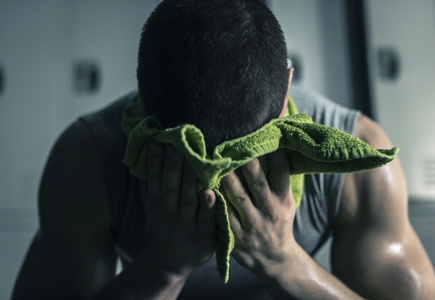
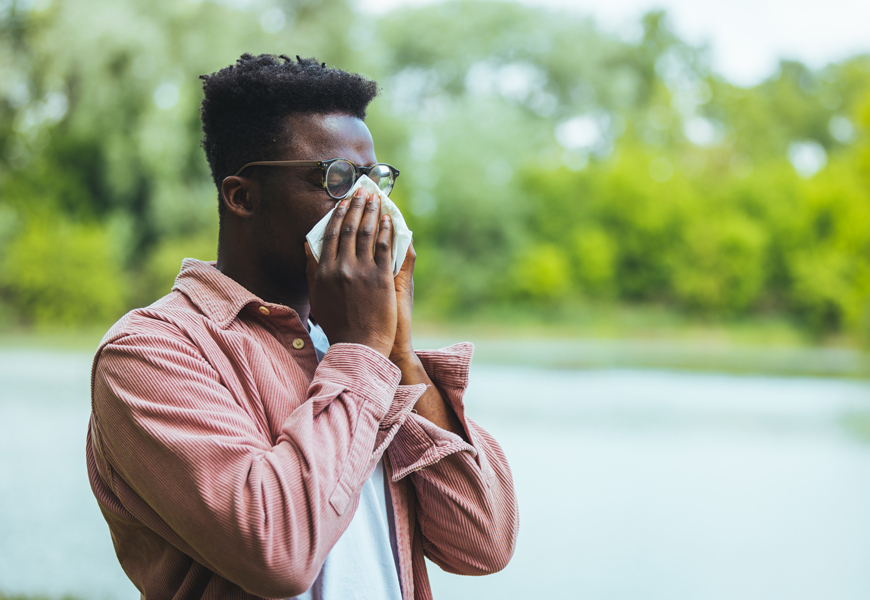
One minute you’re fine and the next you’re slumping around, bleary and red eyed and with zero energy. While it seems random and the itch factor always catches you off guard, you can practically clock allergy season to the first day of fall. “Seasonal allergies happen when your immune system mistakes something harmless, such as pollen, for a threat,” explain the experts at Salus. “Your body responds by releasing histamine, a chemical that can trigger the familiar symptoms many men know all too well: sneezing, itchy or watery eyes, congestion, puffiness and, in some cases, difficulty breathing. The frustrating part is that allergies can affect more than your sinuses. When you’re constantly congested, sneezing or struggling to breathe comfortably, it can drain your energy and make it harder to focus, sleep well, exercise or simply enjoy being outdoors.”
Can natural products actually help?
The short answer: yes. And no, you don’t need to pop an often-dehydrating, over-the-counter option with them. Natural supplements like D3 and vitamin C, and plants like nettle or urtica dioica have been used for generations as part of wellness practices. “Nettle contains antioxidants, anti-inflammatory compounds, vitamins and minerals that may support overall health,” explain the experts at Salus. “Nettle is particularly interesting when it comes to seasonal allergies because of its potential antihistamine properties. Research suggests that compounds in nettle may help block histamine receptors and stabilize mast cells, the immune cells responsible for releasing histamine. The result may be less of an allergic response and fewer uncomfortable symptoms. For anyone looking for a more natural approach to managing seasonal allergies, nettle is certainly worth knowing about. That said, natural doesn’t automatically mean risk-free or right for everyone. If you have significant breathing difficulties, take medications or have an underlying health condition, it’s smart to check with your healthcare professional before adding a nettle product to your routine.”
What makes plant juice different?
“When it comes to plant-based products, how the plant is grown and processed can make a difference,” say the experts at Salus. “Plant Juice is made from fresh, organic herbs and roots, which are pressed and sealed just two to three hours after harvest. The idea is to preserve the plant’s naturally occurring compounds in a minimally processed form. The product contains the whole plant, including both herb and root, and is made without preservatives, additives or alcohol.”
Can these remedies help you get back outside and enjoy fall?
They can. Products containing natural ingredients like D3, vitamin C and nettle juice may be worth considering. “When paired with other sensible allergy strategies—such as limiting exposure to pollen, keeping windows closed during high-pollen periods and showering after spending time outdoors—it can be part of a bigger plan to help you feel your best,” add the experts at Salus.