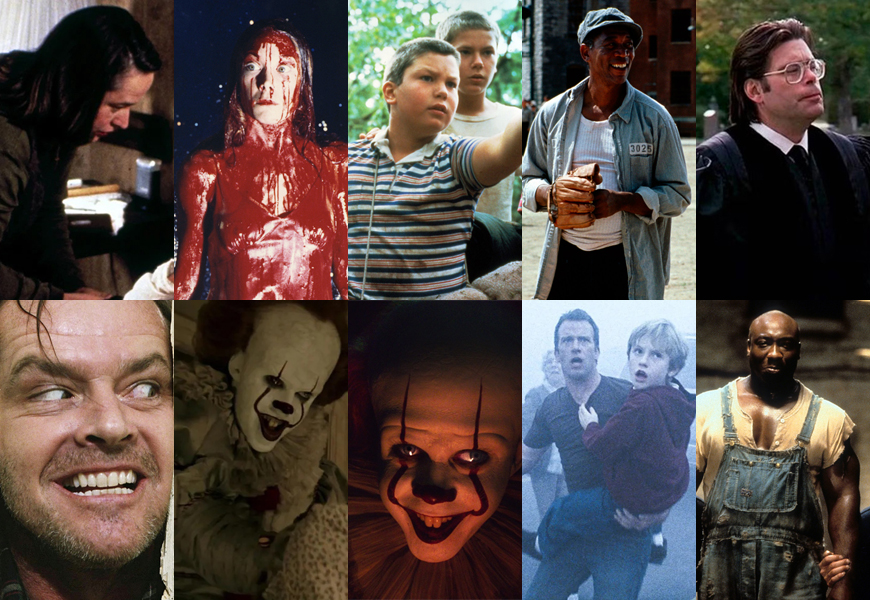
From terrifying horror classics to emotional dramas and coming-of-age favourites, these Stephen King adaptations prove the best stories only get better with time—and another watch.
By Courtney Hardwick
To say Stephen King is prolific would be an understatement. Since Carrie was published in 1974, he has been a consistent presence in the horror scene publishing 66 more novels and novellas, 12 short story collections, and seven nonfiction books. More than 50 of his works have been adapted to the screen (some of them multiple times), and a few of them have also sparked remakes. He’s known for his relatable characters, practical storytelling, and nostalgic portrayals of small town living and coming of age experiences–all mixed with a healthy dose of horror themes.
Every King fan has their favorites adaptations, but there are a few stories that are almost universally beloved. Here are some of the top movies adapted from Stephen King stories that only get better as the years pass.
Misery (1990)
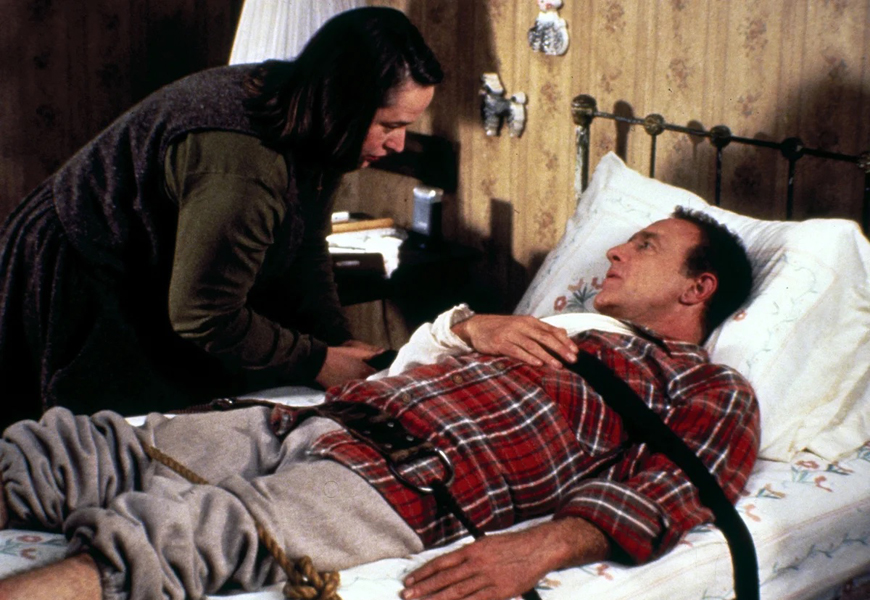
There’s nothing supernatural in Misery, but Annie Wilkes is one of the King’s most disturbing villains of all time. Played by Kathy Bates, Annie Wilkes is a delusional super fan of her favorite author, Paul Sheldon (played by James Caan) and the character he created, Misery Chastain. After Sheldon is in a car accident, Wilkes finds him and takes him back to her house to nurse him back to health, but she’s actually holding him hostage until he writes a new book she’s satisfied with.
The horror comes from Sheldon’s helplessness and Wilkes’ unpredictability. What will he have to do to escape, and what will she do to prevent him from just that? Misery is the only film based on a Stephen King novel to win an Academy Award, for Bates’ genuinely unhinged portrayal of Annie Wilkes.
Carrie (1975)
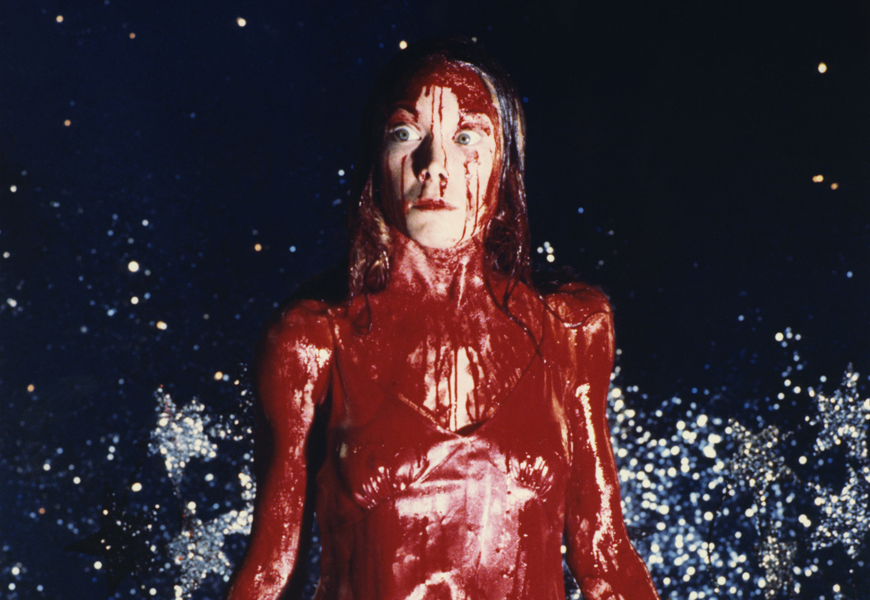
Carrie has been adapted again and again, but nothing comes close to the original film directed by Brian De Palma and starring Sissy Spacek in the title role. Carrie White comes from a home with a devoutly religious–and abusive–mother and she’s bullied in school for being a little different. As her rage bubbles to the surface, her telekinetic powers strengthen and high school prom becomes a tragedy no one could have seen coming.
The tension, suspense and portrayal of trauma all made Carrie an instant success and it still regularly shows up on lists of the best horror movies of all time. It also launched Spacek’s career and earned her her first Oscar nod. The book has been adapted into three different films, with one sequel (The Rage: Carrie 2) and Mike Flanagan is working on a modernized version of the story for an upcoming miniseries.
Stand By Me (1986)
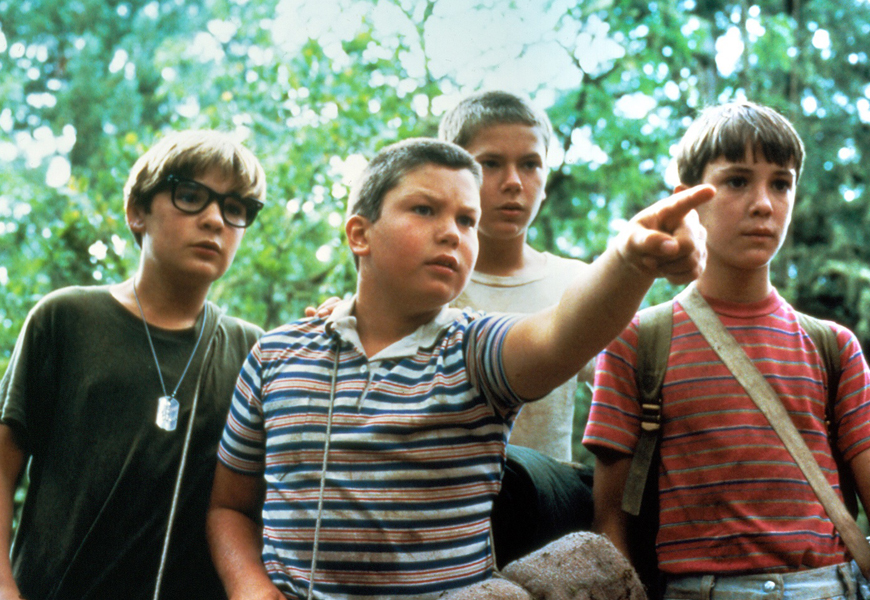
Based on the novella, The Body, Stand By Me is about four friends who spend a summer day looking for the body of a kid from their town that went missing. It’s much more coming-of-age than horror with themes like the power of friendship, facing mortality, and dealing with abusive family dynamics and childhood trauma.
Starring Wil Wheaton, Jerry O’Connell, Corey Feldman and River Phoenix in one of his most memorable roles before he tragically passed at 23, Stand By Me has everything Stephen King is known for. Lines like “I never had friends again like the ones I had when I was twelve years old. Jesus, does anyone?” make it hard not to relate to Stand By Me in that nostalgic way that makes a film so compulsively re-watchable.
The Shawshank Redemption (1994)
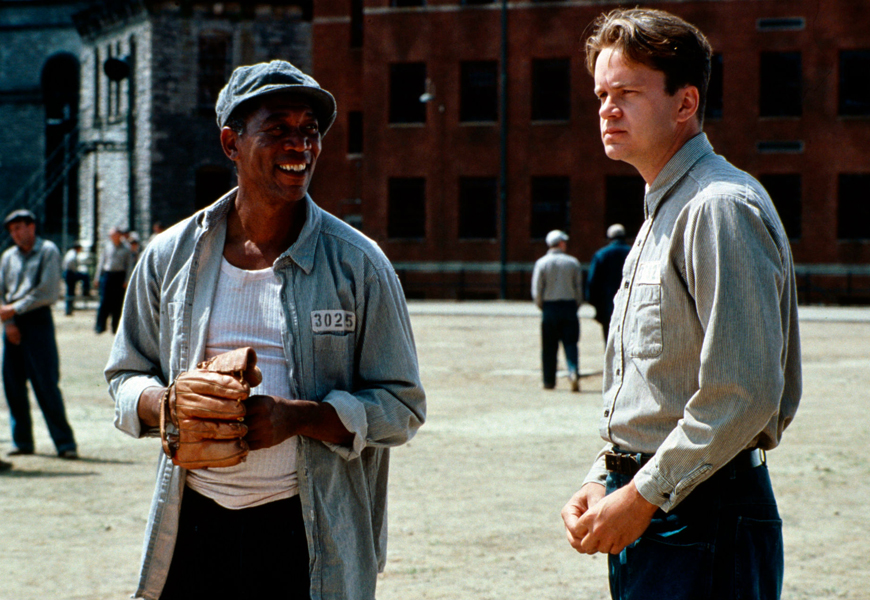
Based on the novella Rita Hayworth and the Shawshank Redemption first published in 1982 in King’s Different Seasons collection, The Shawshank Redemption follows Andy Dufresne (played by Tim Robbins), a man convicted of murdering his wife and her lover. He claims to be innocent, but he remains in prison for almost two decades because of corruption and a money laundering scheme that he’s forced to take part in.
Andy’s integrity and hope in the face of impossible circumstances make the film a classic that stands the test of time. Although it didn’t win in any categories, The Shawshank Redemption was nominated for seven Academy Awards–the most of any Stephen King adaptation.
Pet Sematary (1989)
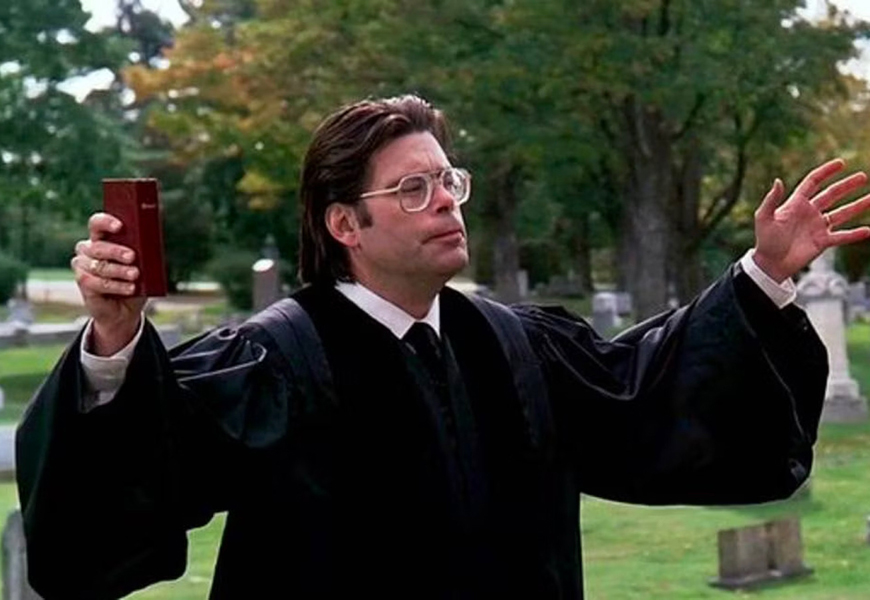
In a retelling of W.W. Jacobs The Monkey’s Paw, Pet Sematary tells the story of a father who finds out what happens when he uses supernatural forces to bring his son back from the dead. The iconic line, “Sometimes dead is best,” is a summary of the overall message: just because you can bring someone back from the dead, doesn’t mean it’s a good idea.
King has said Pet Sematary is the story he’s written that scares him the most and it’s not hard to see why with the grief a parent feels losing a child at the forefront. The 1989 film was followed by a sequel, Pet Sematary 2 in 1992, a remake in 2019 and another spinoff Pet Sematary: Bloodlines in 2023 proving that sometimes grief and what it makes people do can be the scariest thing of all.
The Shining (1980)
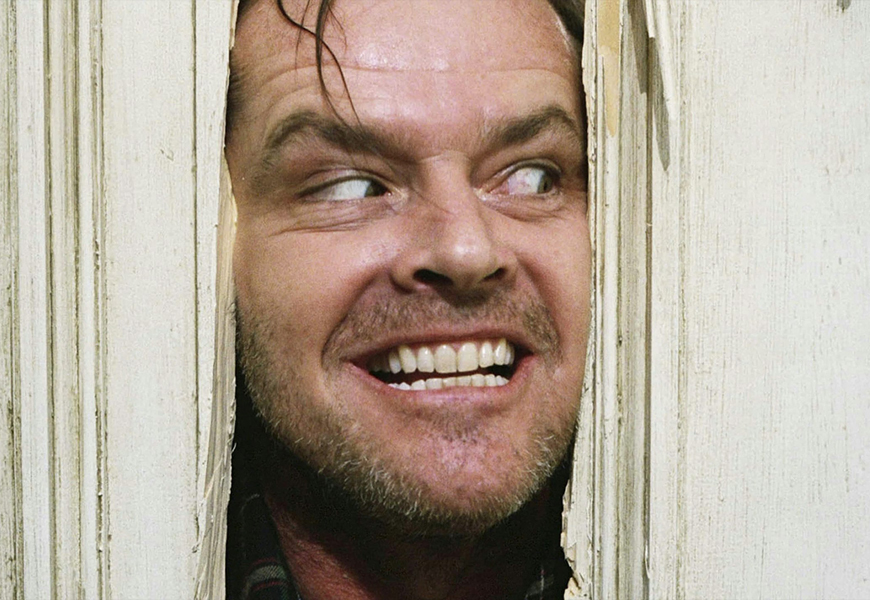
While King famously panned Stanley Kubrick’s adaptation of his 1977 novel The Shining, the legacy of the Overlook Hotel and Jack Nicholson’s performance as Jack Torrance is undeniable. Instead of the typical jump scare horror, Kubrick relied on unsettling imagery, and a long, drawn-out sense of dread to build a psychological thriller where you’re never quite sure what’s going on or what’s going to happen next. The adaptation has invited a wide range of different interpretations, and even though it’s considered one of the greatest horror movies of all time by many, it was actually nominated for a couple Razzies in 1981.
The Shining may not be everyone’s cup of tea, but there’s no denying that it deserves a place in a list of the most-talked about Stephen King adaptations. Honorable mention goes to Doctor Sleep, the sequel to The Shining adapted to film by notable King stan Mike Flanagan.
It Chapter 1 & 2 (2017 & 2019)
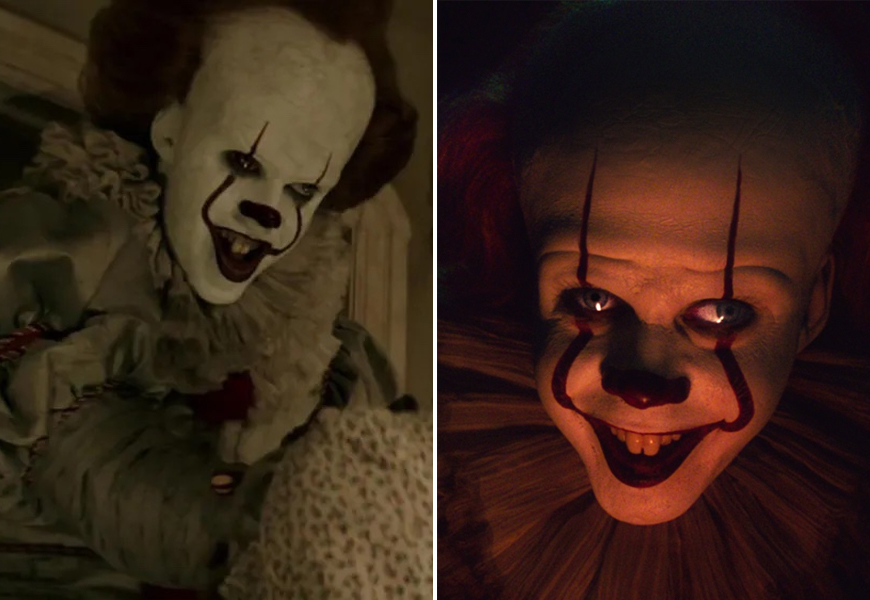
It is often cited as one of King’s scariest novels and while some people are partial to the original miniseries based on the book starring Tim Curry as Pennywise, the more recent double feature takes the scares to a whole new level. Bill Skarsgaard as Pennywise will go down in the Stephen King universe as one of the most terrifying portrayals of one of his characters. Following seven friends in Derry, Maine as they battle a demonic presence that takes the form of a clown, It brings the scares, the small town atmosphere, and the coming-of-age themes that King is known for.
If you haven’t watched the HBO series, Welcome to Derry that explores the origins of Pennywise, you still have time before season two comes out in 2027.
The Mist (2007)
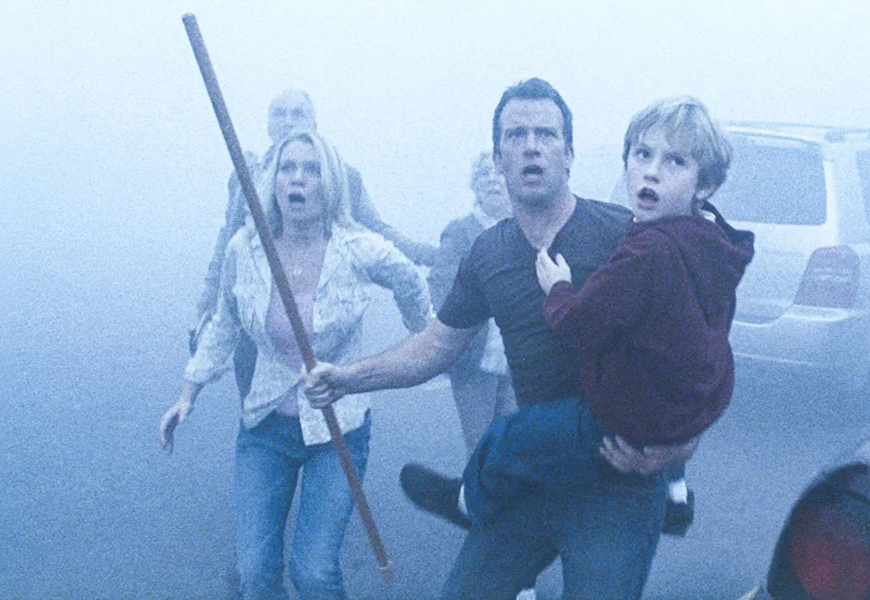
Based on a 1980 novella of the same name, The Mist is set in a small town that is suddenly overtaken by a mysterious fog (AKA mist) full of vicious monsters. A group of people become trapped in the local grocery store and have to figure out first, what is going on, and second, how to survive. Do they stay put and wait or do they make a run for it? With many of King’s hallmark plot points (small town setting, tyrannical religious woman, an unknown force picking people off one by one), The Mist is an instant classic designed to be adapted to the screen.
No spoilers, but King himself said he liked the movie version of the ending better than the one he wrote, and that means a lot coming from the master of horror. Whether you like it or not, it stays with you.
The Green Mile (1999)
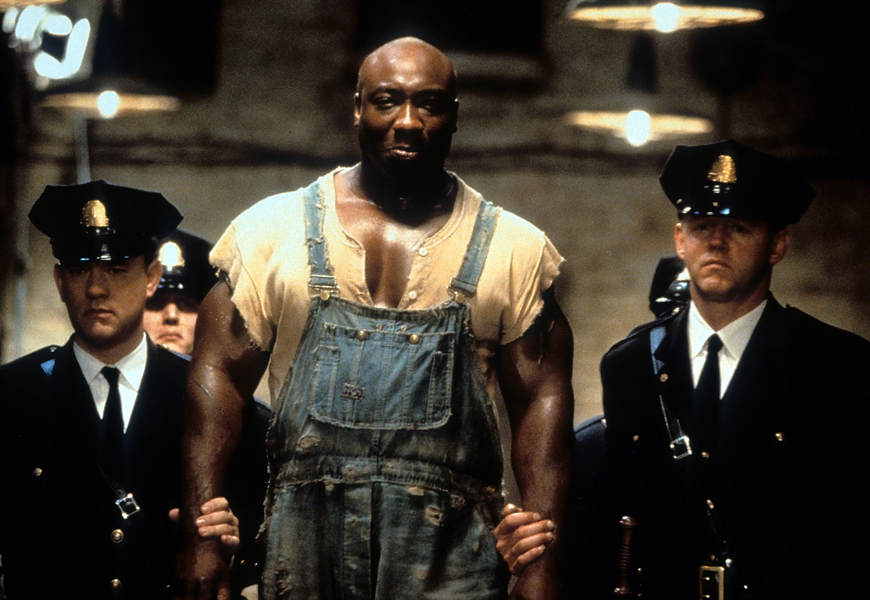
Set on death row in a Louisiana prison in 1935, The Green Mile follows prison guard Paul Edgecomb (Tom Hanks) and John Coffey (Michael Clarke Duncan), an enormous, soft-spoken African American man convicted of killing two white girls. As Paul gets to know John, he begins to question whether the man walking toward the electric chair is really the monster everyone believes him to be.
Originally released in serial form, The Green Mile blends prison drama, supernatural mystery and heartbreaking human emotion. Nominated for four Academy Awards, the film leans more towards drama than horror, but it’s considered a staple in the Stephen King universe.